


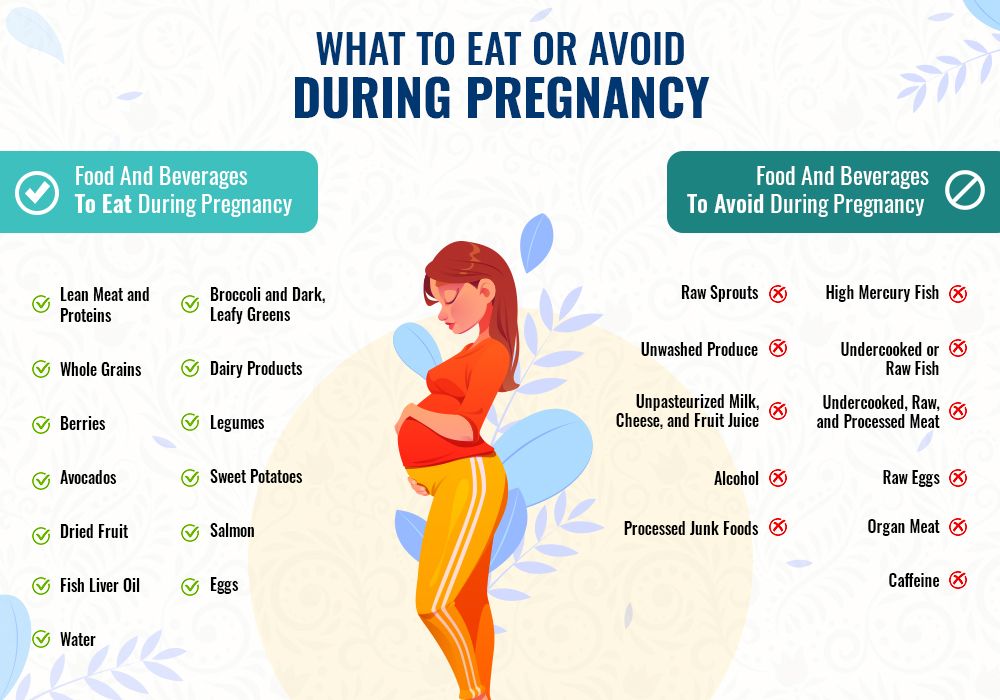
Might sound like a cliche at this point, but with pregnancy, cravings are pretty much a complementary item at no extra charges. But can you give into each craving willy-nilly? While you should definitely avoid foods you are allergic to or the ones that make you want to throw up, the question always comes down to what kind of diet you should follow during pregnancy. Especially if you should have a different diet each trimester to support the growth and development of your child? Let us try to answer these very questions so you can get some clarity about what to eat when you are expecting.
Foods To Eat During Pregnancy
Certain food items should definitely make their way to your plate even if they haven’t before. However, if you are vegetarian or allergic to some of these items, by all means you can avoid them and find healthier alternatives to them that suit your palette.
Dairy items
Milk, cheese, yoghurt, curd etc. are great sources of calcium and protein, which your baby needs for healthy growth. They are also rich in the B group of vitamins, phosphorus, magnesium and zinc, making them a healthy choice.
Legumes
Balanced diets that contain legumes can reduce the risk of pregnancy complications and fetal defects according to research. Plus, they contain protein, iron, fiber, folate and calcium, which makes chickpeas, peanuts, lentils, beans, peas etc. healthy dietary choices.
Sweet potatoes
A good source of fiber and beta-carotene, sweet potatoes help your body absorb vitamin A and also prevent pregnancy-related constipation issues. Just be sure to have them in moderation.
Eggs
Low calorie and rich in something called choline, which is an essential nutrient you must have during pregnancy, eggs are a wholesome food item that can support the growth of your baby’s brain and spinal cord.
Dark green leafy vegetables
From broccoli to spinach, they are all nutrient-dense veggies that can prevent pregnancy-related anemia. Plus, they are a great way to add fiber, calcium, folate, iron, zinc and potassium to your diet without resorting to supplements.
Lean meats
You should have high-quality protein regularly when you are pregnant and lean meats are a great source of them. You can try lean chicken to increase the amount of choline, iron, and B vitamins in your diet. Just be sure to cook all meats thoroughly in as less calorie-dense preparations as possible.
Berries
It’s a well-established fact that berries are a powerhouse of antioxidants, fibers, vitamin C, and water. Now studies show that pairing berries with a bowl of dark, leafy greens are exactly what you need to prevent the onset of gestational diabetes. You can try strawberries, blueberries, raspberries, acai berries etc.
Whole grains
Obviously, following a well-balanced pregnancy diet should be your aim and whole grains are an essential part of that. Packed with vitamins and fiber, they complete your diet and help you maintain the energy you need for a successful pregnancy. Brown rice, barley and quinoa are all great options.
Dried fruits
Finally dried fruits such as raisins, prunes, dates, and apricots can provide you with the minerals and vitamins your body needs, such as iron, potassium, and folate. They are tasty and nutritious.
Nutrient Requirements In Each Trimester Of Pregnancy
Now the above foods are something you can have all throughout your pregnancy, but what about each trimester? Honestly, your diet chart will look different for a myriad of factors – right along dietary preferences to individual requirements and medical histories, so we’re not here to give you a definitive chart for every trimester as that defeats the purpose of being helpful. But we can surely tell which nutrients to focus on in each trimester:
-
First Trimester: At this stage, you can focus on nutrients such as folic acid, iron, protein, vitamin C, and healthy carbs and fiber to support the growth of your baby while avoiding birth defects. Plus, the carbs and fibers give you the energy you need without causing constipation.
-
Second Trimester: As your baby grows, your diet will have to contribute to their continued growth. Nutrients that can help include calcium, vitamin D, magnesium, folate, iron, omega-3 fatty acids, and potassium. You can talk to your medical team to figure out the best diet plan. At this stage, they might also advise you to consider other important things such as your birth plan, cord blood banking options etc.
-
Third Trimester: Now is your time to ensure your baby is of a healthy weight when they’re born. Nutrients that can help include healthy fats, protein, fiber, probiotics, iron, magnesium, potassium, vitamin C, and complex carbs.
Conclusion
There is no denying that following the best pregnancy diet is tough, but you got this! Eating right and eating healthy is the most surefire way to ensure your baby arrives in this world in the pink of health. As for the specifics, your medical team is bound to help you out. Just be sure to enjoy the ride.