


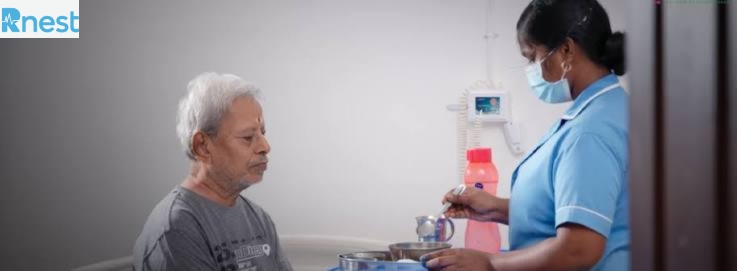
When adult children live overseas, conversations with parents often focus on whether everything is “fine.” That may work for everyday reassurance, but preventive healthcare needs a little more structure. Routine appointments, medicines, tests and changes in mobility can be difficult to follow from another country.
NRI families do not need to control every healthcare decision from abroad. A better approach is to create a dependable system that keeps parents involved while making important information easier to share.
Start With a Baseline Health Summary
Families can begin by creating a simple summary of current conditions, medicines, allergies, treating doctors and recent investigations. This gives everyone a common starting point.
The document should be updated when prescriptions or diagnoses change. It is more useful to have one accurate page than a large folder that no one can quickly understand.
For families researching NRI Parents Care Services Chennai, the ability to maintain organised updates can be as important as arranging individual appointments.
Plan Routine Care Instead of Waiting for a Problem
Preventive care is easier to manage when appointments are planned rather than triggered only by a crisis. The appropriate schedule will depend on the parent’s age, medical history and doctor’s advice.
Families can keep a shared calendar for consultations, recommended tests, medicine refills and follow-ups. This helps overseas children stay informed without calling every day to ask whether something has been completed.
The parent should know what is being scheduled and remain part of decisions about timing and providers.
Identify a Reliable Local Contact
Even highly independent parents may occasionally need someone nearby to accompany them, collect documents or help after a consultation.
A trusted relative, neighbour or professional care coordinator can serve as the local contact. The role should be clearly defined so that the person knows when to step in and when the parent prefers to manage independently.
This local support is particularly useful when time differences make immediate communication with overseas family members difficult.
Use Updates That Provide Useful Information
Frequent messages do not always mean better communication. A useful update should explain what happened, what the doctor advised and whether there is anything the family needs to do next.
For those exploring Elderly Parent Care India For NRIs, it is worth asking how appointment notes, health updates, prescriptions and follow-up tasks are communicated to family members abroad.
A structured update can reduce repeated calls while keeping the family informed. The most useful systems make it clear what happened, what needs follow-up and whether the parent or family needs to take the next step.
Pay Attention to Everyday Functional Changes
Preventive care is not limited to tests. Changes in walking, sleep, appetite, memory or ability to manage normal tasks may be worth discussing with an appropriate healthcare professional.
Overseas children may notice these changes during video calls, but local observations can add context. Families should avoid diagnosing a parent remotely and instead use concerns as a reason to seek proper assessment when needed.
The aim is early attention, not constant surveillance.
Keep Medicines and Refills Organised
Prescription routines can become complicated when medicines are changed by different doctors. Families can maintain a current medication list and track refill dates.
Parents who manage their own medicines should be supported in doing so for as long as it remains safe. If assistance becomes necessary, the family can arrange reminders or local support without automatically taking over every step.
Any uncertainty about doses or interactions should be discussed with a doctor or pharmacist.
Discuss Emergency Preferences Before They Are Needed
Preventive planning also includes knowing what to do if something changes suddenly. Families can agree on preferred hospitals where appropriate, emergency contacts and who can accompany the parent locally.
Identification, insurance information and an updated medical summary should be accessible. These practical preparations can reduce confusion if urgent care is required.
Review the Arrangement During Visits to India
When overseas family members visit, it is a useful opportunity to review the care system in person. They can check whether records remain current, meet local support contacts and ask the parent what is working well.
The goal is not to arrive and reorganise everything. A visit is more useful when it strengthens a system the parent is already comfortable using.
Conclusion
NRI families can remain meaningfully involved in preventive healthcare without trying to manage every detail from another country. A current health summary, planned appointments, reliable local support and clear communication create a practical foundation.
Most importantly, the system should respect the parent’s independence. Remote involvement works best when it supports informed decisions and timely care rather than replacing the older person’s own voice.