


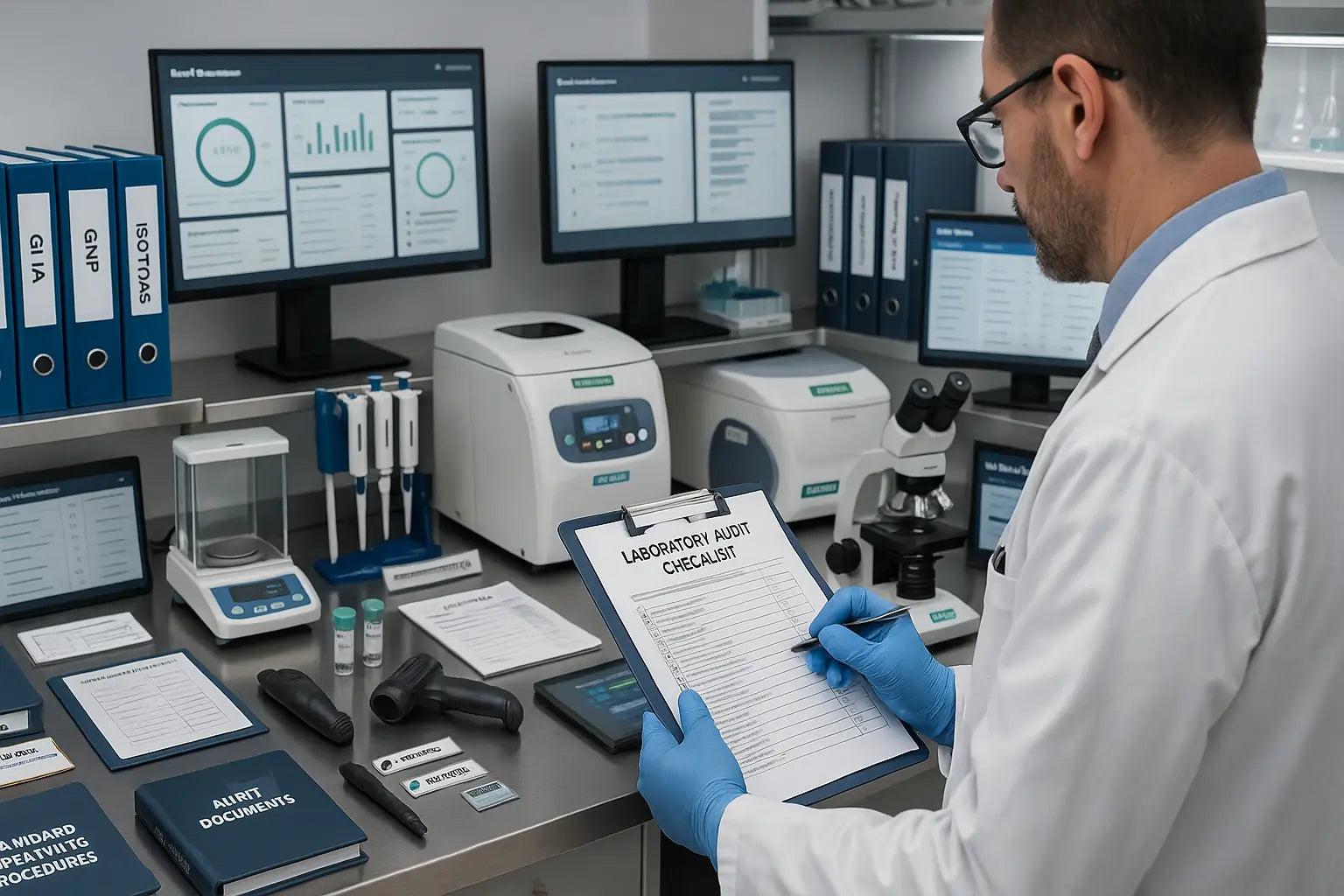
A laboratory checklist can look reassuring while missing the questions that matter most. Imagine a purchasing assistant discovering this when a routine internal review finds that everyone has ticked the same boxes, yet nobody has checked whether supporting records match the actual materials received. Someone searching for AICAR research peptide for sale might encounter detailed product descriptions, but a listing cannot complete a laboratory’s approval process. A useful checklist should prompt staff to investigate evidence, not simply confirm that a supplier has provided a document.
Why Checklists Sometimes Fail Quietly
The original form asked whether a certificate existed, whether a product name appeared on the container, and whether the order was approved. Every answer was yes. What it never asked was whether the certificate identified the delivered batch or whether the approved order matched the quantity received. Staff followed the form faithfully, which made the gap harder to notice. This is a familiar administrative trap: a completed task can appear compliant even when the question behind it was too vague to protect the work.
Ask Questions That Require Evidence
A stronger checklist replaces broad yes-or-no prompts with verifiable details. Instead of “certificate received,” it asks staff to record the certificate identifier and the matching lot number. Rather than “packaging acceptable,” it asks them to note visible damage or discrepancies. The form should also indicate who reviewed each answer and what happened when information was missing. The goal is not to create endless paperwork. It is to make every check meaningful enough that a different colleague could independently understand the decision.
Keep Product Reviews In Context
While updating the process, the team noticed searches for pura peptides cortagen reviews among its procurement research. Reviews may raise useful questions about communication or order fulfillment, but they cannot verify the identity of a laboratory material. The revised checklist therefore separated publicly reported experiences from the evidence required for scientific purchasing. Staff could document a concern mentioned online, then investigate it through appropriate supplier questions and batch-specific records. This kept opinions visible without allowing them to substitute for technical verification.
Test Forms Against Real Scenarios
Before adopting the revised checklist, the coordinator tried it against three hypothetical deliveries: one with complete records, one with a mismatched batch number, and one with damaged external packaging. The exercise showed where the form was still ambiguous. Could staff distinguish an item awaiting review from one cleared for use? Was there an obvious place to record a follow-up? Scenario testing helped uncover problems without exposing actual research materials to unnecessary handling. It also gave junior staff a chance to challenge assumptions safely.
Assign Responsibility For Every Exception
The most important box on a form may be the one that remains unchecked. If supporting evidence is absent, someone needs authority to decide the next step. The laboratory assigned named roles for requesting clarification, reviewing technical information, and releasing material from a hold. That distinction prevented purchasing staff from making scientific judgments. It also helped researchers see when a question was still unresolved. A checklist becomes dependable when it tells people what to do with uncertainty, not only how to record success.
Review The Checklist After Changes
Procedures can drift out of date when a laboratory changes suppliers, introduces new research materials, or moves to a different record system. A form designed for last year’s workflow might now omit a necessary approval or direct users to an obsolete folder. The team scheduled periodic reviews and encouraged staff to flag confusing prompts between formal updates. Each revision included a short explanation of what changed. That history reduced the temptation to keep using familiar instructions simply because they had worked before.
Measure Better Decisions, Not Paperwork
After several months, the coordinator did not judge success by the number of completed forms. Instead, the team examined how often discrepancies were identified before materials reached experiments, how clearly exceptions were resolved, and whether another reviewer could follow the record. These measures were imperfect, but they focused attention on the checklist’s purpose. Staff also reported where unnecessary steps slowed routine work. A good control should be robust enough to catch meaningful problems and simple enough that people actually use it.
Conclusion
The audit did not reveal careless employees; it revealed a form that encouraged confident answers to incomplete questions. That difference shaped a more constructive response. For laboratories evaluating suppliers such as purapeptides.com, the lesson is to design checks around decisions that need evidence, ownership, and a clear record. A checklist cannot replace professional judgment, but it can help people apply that judgment consistently. Its value is revealed not when every box is marked, but when an unexpected problem is noticed in time.