


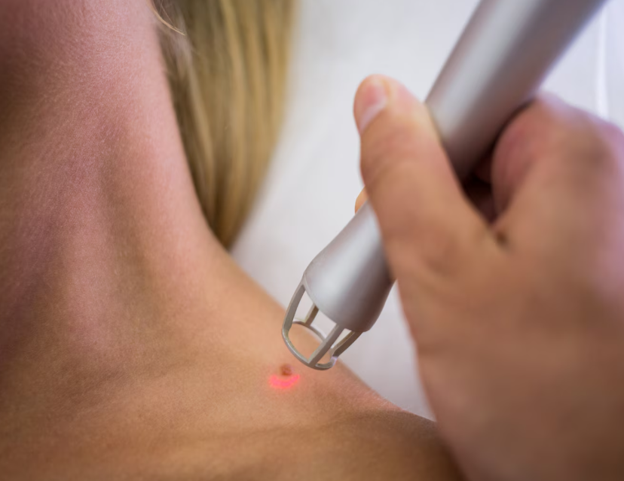
A raised keloid growth can form directly after your skin tissues heal from a standard injury, a body piercing, clinical surgery, or simply a minor paper cut. Ordinary marks stop growing, but these thick bumps can keep spreading way past the first scratch zone. Lots of folks look up facts because these spots change your look and can sometimes itch or ache quite a bit. Learning how they start and finding open care plans helps people enter doctor talks with true hope and better trust.
Why Keloids Develop
The body makes a natural skin protein to fix cuts, but sometimes that work goes way too far. When that happens, extra tissue keeps building up long after the skin gap is already shut. Talks about keloid scar treatment Malaysia options mostly center on spotting items that make these growths happen. Family genes, skin shade, and past mark history all play key roles. Learning about these triggers tells why some folks get them more often.
Recognizing Common Features
These marks usually look puffy, hard, and much thicker than the skin right next to them. Their shade can shift based on your own skin tone and how old the spot is. A keloid bump might slowly expand over time instead of staying inside the first wound lines. Some folks feel an ache or a sharp itch, while others just care about the look. Spotting these main signs early can prompt people to get an expert check before the mark gets too large.
Professional Evaluation Matters
Every skin mark grows in its own way, which is why an expert checkup is worth a lot. Workers test the mark size, the spot, and how old it is before talking over good care paths. People studying keloid scar treatment Malaysia find out fast that doctor tips shift a whole lot from person to person. Clinic talks also give you a great space to ask questions about final looks and what to hope for. A deep check helps build a custom plan built for your exact worries.
Available Treatment Approaches
Several care tracks can be checked out based on the scar traits and your own goals. No single choice works the exact same way for every separate case. Individuals dealing with a keloid bump find out that care plans are custom-built rather than using one simple mold. The treatment plan often relies on items like scar age, past care tries, and overall skin health. A skilled worker can clear up open questions in better detail during your clinic visit.
Recovery And Follow Up
Managing marks calls for a lot of patience since skin gains can show up very slowly over time. Return visits are usually suggested to track your skin and see how the care works. Chats about keloid scar treatment Malaysia choices frequently cover the heavy need for steady checks long after your clinic hour. Healing rides shift based on the path you use. Knowing you need long-run care helps people head into the work with real hopes and good prep.
Long Term Skin Care
Clean skin habits can back up broad mark care work long after your clinic steps are totally done. Shielding the spot and sticking to pro tips usually stay vital parts of long-term care. People managing a keloid scar need to see that upkeep steps look different for every single case. Keeping a steady eye on skin health plays a helpful role. Steady talk with qualified workers often assists in guiding future choices for your scar care.
Conclusion
Managing scars involves understanding how they develop, what treatment options may be available, and how recovery can vary between individuals. Through drsomaplasticsurgery.com, visitors can explore information related to scar management, consultations, and treatment planning. Learning about scar characteristics, professional evaluation, and long-term care considerations helps support informed decision-making. Every scar presents unique challenges that influence recommendations and outcomes. Take time to gather reliable information and consult experienced professionals when exploring options for scar treatment and skin care.