


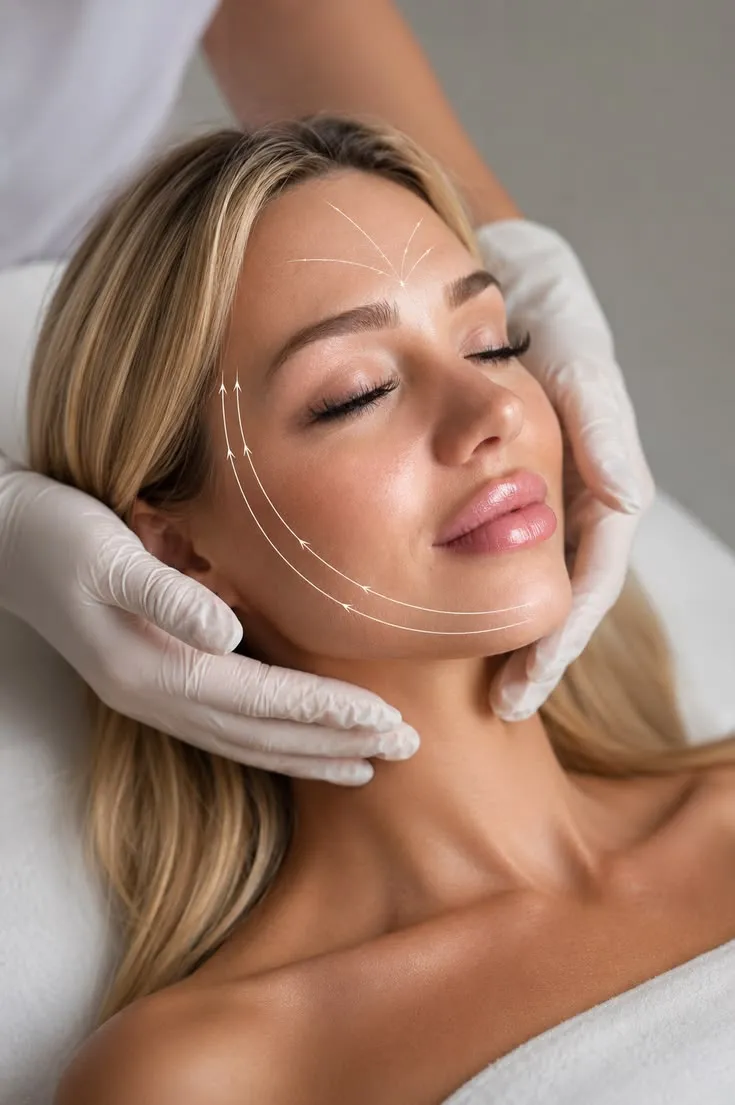
Facial aging does not follow the same pattern for everyone. Some people first notice lines between their eyebrows, while others become concerned about reduced skin firmness around the cheeks or jawline. Although these changes can occur together, they do not necessarily respond to the same treatment. Procedures such as laser skin tightening are designed to address certain concerns about skin laxity, while injectable treatments work through different mechanisms. Understanding these distinctions helps people approach cosmetic consultations with realistic expectations instead of assuming one procedure can address every visible sign of aging.
Facial Aging Involves More Than Wrinkles
Skin changes develop through a combination of natural aging, genetics, sun exposure, and repeated facial movement. Over time, changes in collagen and elastin can affect firmness. Repeated muscle contractions may also contribute to expression lines, particularly around the forehead and eyebrows. Volume loss introduces another concern, sometimes changing the appearance of the cheeks and lower face.
Because these processes are different, treatments should be selected according to the specific issue rather than age alone. A professional assessment can help distinguish surface texture, muscle-related wrinkles, and mild skin laxity.
Understanding Treatments That Target Skin Firmness
Certain laser-based treatments deliver controlled energy into the skin to stimulate a healing response and encourage collagen remodeling. These procedures may improve mild skin laxity or texture in suitable candidates, although results depend on the device, treatment settings, and individual characteristics.
Improvement is often gradual rather than immediate. Multiple sessions may be recommended, and changes are generally more subtle than those achieved through surgery.
Not every laser is appropriate for every skin tone or condition. A qualified provider should explain possible benefits, limitations, and risks, including pigment changes, burns, or scarring.
Expression Lines Require a Different Approach
Lines that appear when someone frowns or raises their eyebrows are often associated with repetitive muscle activity. Injectable neuromodulators temporarily reduce contraction in selected muscles. This can soften certain expression lines without removing the normal structure of the skin. One example is dysport, an FDA-approved prescription treatment for moderate to severe glabellar lines between the eyebrows in adults.
Other facial applications may be considered by appropriately qualified clinicians, but they should not be confused with the treatment’s specific FDA-approved cosmetic indication. Results are temporary, and individual responses vary.
Questions to Discuss During a Consultation
Before selecting a cosmetic procedure, patients should understand the intended outcome and relevant safety considerations.
Useful questions include:
-
Treatment goals: Is the main concern skin laxity or movement-related wrinkles?
-
Expected improvement: What changes are realistic for the individual?
-
Medical history: Could medications or existing conditions affect suitability?
-
Possible side effects: What complications require medical attention?
-
Follow-up care: How long might results last, and when should reassessment occur?
The consultation should allow enough time for questions without pressure to book immediately.
Why Medical History Matters
Cosmetic procedures still involve medical considerations, even when they do not require surgery. People considering injectable neuromodulators should disclose medications, previous reactions, muscle or nerve disorders, and relevant health conditions. Dysport carries a boxed warning about the possible spread of toxin effects, which can cause serious symptoms, including swallowing or breathing difficulties.
Laser procedures also require screening for conditions that may affect healing or increase the risk of unwanted skin reactions. An experienced medical provider should evaluate these factors before recommending treatment.
Planning Around Recovery and Everyday Activities
Recovery requirements differ between procedures and individuals. Injectable treatments may cause temporary redness, swelling, bruising, or tenderness around injection sites. Laser treatments can produce redness, swelling, or other temporary skin changes depending on the technology and treatment intensity. Some people return to normal activities quickly, while others may need to follow specific restrictions.
Patients should avoid making assumptions about recovery based on promotional photographs. Discussing upcoming travel, important events, and work commitments can help establish an appropriate treatment schedule.
Looking Beyond Immediate Cosmetic Results
A successful cosmetic treatment should be evaluated according to its original purpose. Neuromodulators may soften selected expression lines, but they do not directly correct loose skin or restore lost facial volume. Similarly, collagen-focused treatments do not necessarily eliminate wrinkles caused primarily by repeated muscle contractions.
Results also change over time as the effects of treatment diminish and natural aging continues. Understanding these limitations helps patients decide whether maintenance appointments align with their preferences and budget.
Keeping Expectations Personal and Realistic
Not everyone wants a dramatic change in appearance. Some patients simply hope to soften a particular line or address a small area of concern. A thoughtful treatment plan should respect those preferences rather than encourage unnecessary procedures.
Photographs taken under consistent lighting may help document results, but individual satisfaction should not depend on achieving someone else’s appearance. Choosing a properly qualified provider and understanding the risks are more important than pursuing the largest possible cosmetic change.
Conclusion
Non-surgical facial treatments offer different approaches to concerns about firmness, expression lines, and visible aging. Choosing appropriately requires understanding how each procedure works, its limitations, and the medical considerations involved. A careful consultation can help patients set realistic goals without pursuing treatments they may not need. Adults considering aesthetic services in Apple Valley, Minnesota, can explore available options through sanavittamedspa.com and discuss their individual concerns with qualified healthcare professionals.