


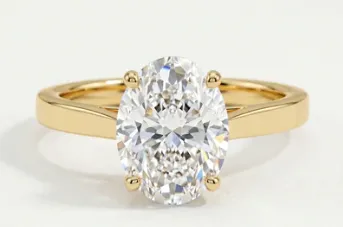
Yellow gold has a distinctive presence. Its warm tone can make an engagement ring feel romantic and established, yet the right design details can also give it a clean, contemporary character. The metal is only the starting point; the final look depends on how the stone, setting, band and proportions work together.
Exploring yellow gold rings by Lily Arkwright reveals how varied this precious metal can be. A slender oval solitaire feels refined and understated, while a radiant-cut stone with pavé shoulders creates a bolder, more architectural impression. Understanding these differences helps buyers choose a ring that reflects personal style rather than simply following a trend.
How Stone Shape Interacts With Yellow Gold
Yellow gold naturally creates a warm frame around the centre stone. This contrast can soften the crisp geometry of an emerald or radiant cut, preventing angular designs from appearing too severe. Rounded shapes, including brilliant, oval and cushion cuts, tend to enhance the metal’s romantic quality.
Elongated shapes also influence how the ring sits visually on the hand. An oval, marquise or elongated cushion can create the impression of greater finger coverage without requiring the width of a large round stone. This is one reason someone may prefer a two-carat elongated design over a one-carat round: the attraction is not simply additional size, but a more noticeable silhouette and a graceful sense of proportion.
The colour of the setting can affect the stone’s appearance too. Yellow-gold claws may blend into the band, allowing the ring to feel visually cohesive. White-metal claws, by contrast, can recede against a colourless stone and create a subtle two-tone effect.
The Setting Determines the Ring’s Character
A solitaire places almost all the attention on the centre stone. In yellow gold, this classic arrangement feels particularly timeless, especially when paired with four or six refined claws. A six-prong setting often creates a slightly more traditional outline, while four claws can make more of the stone’s surface visible.
Hidden halos offer a different kind of detail. Positioned beneath the centre stone, the smaller diamonds are not always obvious from above. Instead, they add sparkle from the side and give the setting a more intricate profile without changing its clean face-up appearance.
A conventional halo creates a stronger visual impact by surrounding the centre stone with smaller diamonds. It can increase the ring’s perceived size, but it also changes the overall style. The result is more decorative than a solitaire and may suit someone who wants brilliance across a wider area of the finger.
Trilogy settings introduce symbolism and balance. Side stones broaden the design, while their shape determines whether the ring feels harmonious or deliberately contrasted. Pear-shaped side stones, for example, can draw the eye towards the centre and create an elegant taper.
Band Width, Profile and Shoulder Details
Band design is often underestimated, yet it has a substantial effect on the finished ring. A narrow yellow-gold band can make the centre stone appear larger and creates a delicate, contemporary look. A wider band gives the ring more visual weight and allows the rich colour of the gold to become a more prominent feature.
A knife-edge profile introduces a subtle ridge along the band, directing the eye towards the stone. Rounded bands feel softer, while flat or straighter profiles can appear more modern.
Shoulder-set diamonds add brilliance without creating the full outline of a halo. Fine pavé offers restrained sparkle, whereas multiple rows produce a more glamorous finish. Plain shoulders remain an excellent choice for those who value the uninterrupted warmth of yellow gold or plan to pair the engagement ring with a detailed wedding band.
Final Thought
The most successful yellow-gold engagement rings are not defined by one fashionable feature. Their beauty comes from proportion: the relationship between stone shape, setting height, claw style, band width and decorative detail.
A thoughtful design should look balanced from above, feel elegant from the side and sit comfortably alongside a future wedding ring. By considering these elements together, yellow gold becomes more than a traditional metal choice. It becomes the foundation for a ring that can feel understated, sculptural, vintage-inspired or distinctly modern.