


The Everest Base Camp Trek is widely regarded as one of the most iconic trekking adventures in the world. Also known as the Trek to Everest Base Camp, this extraordinary journey takes travelers deep into the Khumbu region of Nepal, offering unmatched views of the world’s highest peaks and an authentic cultural experience. Combining physical challenge with natural beauty, the trek remains a top choice for adventure seekers aiming to explore the grandeur of the Himalayas.
Introduction to the Everest Base Camp Trek
The Everest Base Camp Trek leads trekkers to an elevation of 5,364 meters (17,598 feet), the base point for climbers preparing to summit Mount Everest. While climbing Everest requires advanced mountaineering skills and experience, the trek to base camp is achievable for individuals with good fitness levels and careful preparation.
The adventure typically begins with a scenic flight from Kathmandu to Lukla, a small mountain town known for its dramatic airstrip. From Lukla, trekkers follow a well-established route through picturesque landscapes, crossing suspension bridges and passing through traditional Sherpa villages.
The Trek to Everest Base Camp is not simply about reaching a destination—it is about experiencing the journey through one of the most spectacular mountain environments on Earth.
Natural Beauty and Himalayan Landscapes
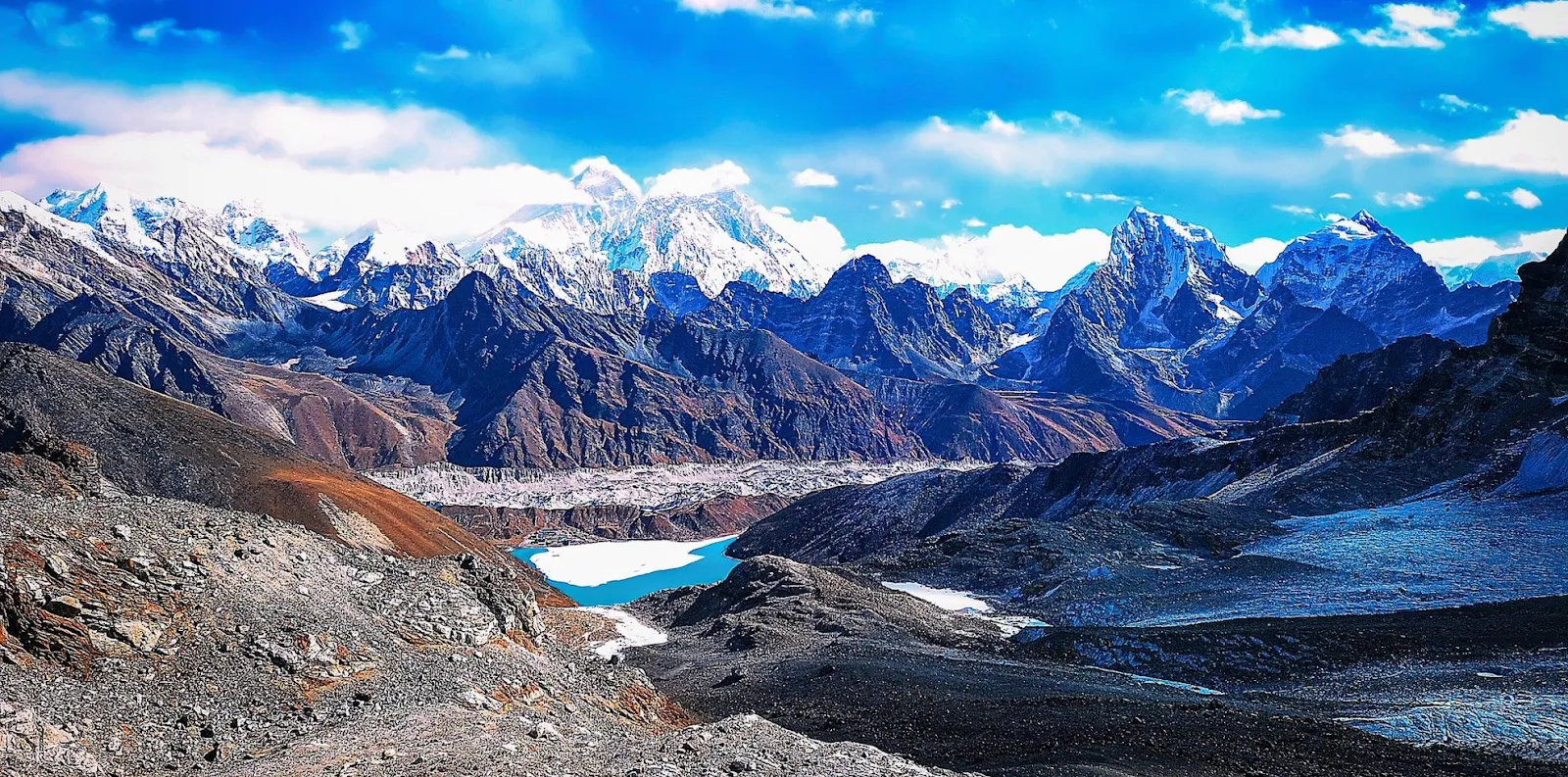
One of the defining features of the Everest Base Camp Trek is the breathtaking scenery encountered along the trail. Trekkers are surrounded by towering peaks such as Mount Everest, Lhotse, Nuptse, and Ama Dablam. These majestic mountains create a constantly evolving panorama that captivates travelers throughout the journey.
The trail passes through Sagarmatha National Park, a UNESCO World Heritage Site that protects diverse ecosystems and wildlife. At lower elevations, trekkers walk through lush forests of rhododendron, pine, and fir. As the altitude increases, the terrain transitions into alpine landscapes with rocky paths and glacial formations.
The Khumbu Glacier is a major highlight of the trek. Its vast ice formations and rugged features showcase the raw power of nature. Another unforgettable experience is the hike to Kala Patthar, a viewpoint that offers one of the best panoramic views of Mount Everest, especially during sunrise.
Cultural Experience and Local Life
The Trek to Everest Base Camp provides a rich cultural experience, as the Khumbu region is home to the Sherpa community. Known for their mountaineering expertise and resilience, the Sherpa people play a vital role in the history and success of Himalayan expeditions.
Trekkers pass through villages such as Namche Bazaar, Tengboche, and Dingboche, where they can interact with locals and gain insight into their daily lives. Namche Bazaar serves as a vibrant hub with shops, cafes, and cultural attractions.
Buddhist traditions are deeply rooted in the region. Prayer flags, mani stones, and chortens line the trekking routes, creating a spiritual atmosphere. Tengboche Monastery, one of the most important religious sites in the Khumbu region, offers trekkers a chance to witness traditional ceremonies and experience a sense of tranquility.
Physical Challenges and Preparation
The Everest Base Camp Trek is considered moderately challenging, requiring stamina, endurance, and mental determination. Trekkers typically walk between five to seven hours per day, navigating steep ascents, rocky trails, and high-altitude conditions.
Altitude is one of the most significant challenges. As trekkers ascend, oxygen levels decrease, increasing the risk of altitude sickness. Proper acclimatization is essential, and most itineraries include rest days at key locations such as Namche Bazaar and Dingboche.
Preparation is critical for a successful trek. Engaging in cardiovascular exercises, strength training, and practice hikes can significantly improve fitness levels. Proper gear, including insulated clothing, trekking boots, and essential equipment, ensures safety and comfort during the journey.
Best Time to Undertake the Trek
The best seasons for the Everest Base Camp Trek are spring (March to May) and autumn (September to November). During these months, the weather is relatively stable, and visibility is excellent, allowing trekkers to fully appreciate the surrounding mountain views.
Spring is particularly appealing due to blooming rhododendron forests and moderate temperatures. Autumn offers crisp air and clear skies, making it a popular time for trekkers. Winter trekking is possible but involves extreme cold, while the monsoon season is generally avoided due to heavy rainfall and challenging trail conditions.
Accommodation and Food
Accommodation during the Trek to Everest Base Camp is provided by tea houses, which are simple lodges operated by local families. These offer basic facilities such as beds, meals, and communal dining areas.
The food served along the trail is designed to provide energy for long trekking days. Dal bhat, a traditional Nepali meal of rice and lentils, is a staple due to its nutritional value. Other options include soups, noodles, pasta, and light Western dishes.
As altitude increases, facilities become more basic, but the warmth and hospitality of the local people create a comfortable and welcoming environment for trekkers.
Responsible Tourism and Sustainability
With the increasing popularity of the Everest Base Camp Trek, sustainable tourism practices have become essential. Trekkers are encouraged to minimize their environmental impact by reducing waste, using reusable water bottles, and respecting local customs and traditions.
Supporting local businesses and communities helps ensure that tourism benefits the region while preserving its cultural heritage and natural beauty. Responsible trekking practices play a vital role in maintaining the integrity of the Everest region for future generations.
Conclusion
The Everest Base Camp Trek, also known as the Trek to Everest Base Camp, is more than just a trekking adventure—it is a transformative journey that combines natural beauty, cultural richness, and personal achievement. From the towering peaks of the Himalayas to the welcoming spirit of the Sherpa people, every aspect of the trek offers something unique and unforgettable.
Reaching Everest Base Camp is a powerful accomplishment that reflects determination, resilience, and a deep appreciation for the natural world. It is not merely about arriving at a destination but about embracing the journey, overcoming challenges, and experiencing the true essence of exploration.
For those seeking an extraordinary adventure and a meaningful connection with nature, the Everest Base Camp Trek remains one of the most rewarding and inspiring journeys in the world.